Early bloomers of the phenological mid spring

Phenological season: Mid spring

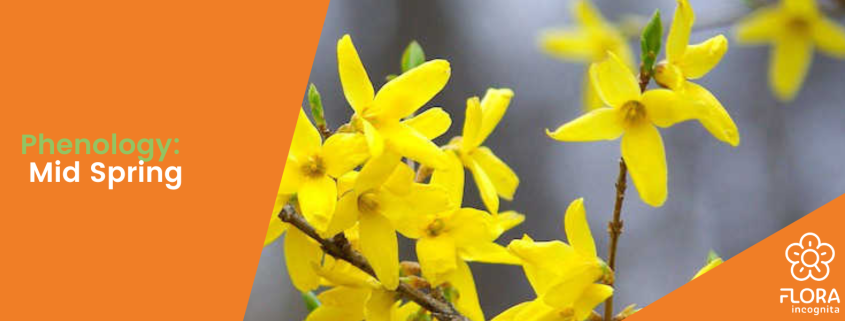
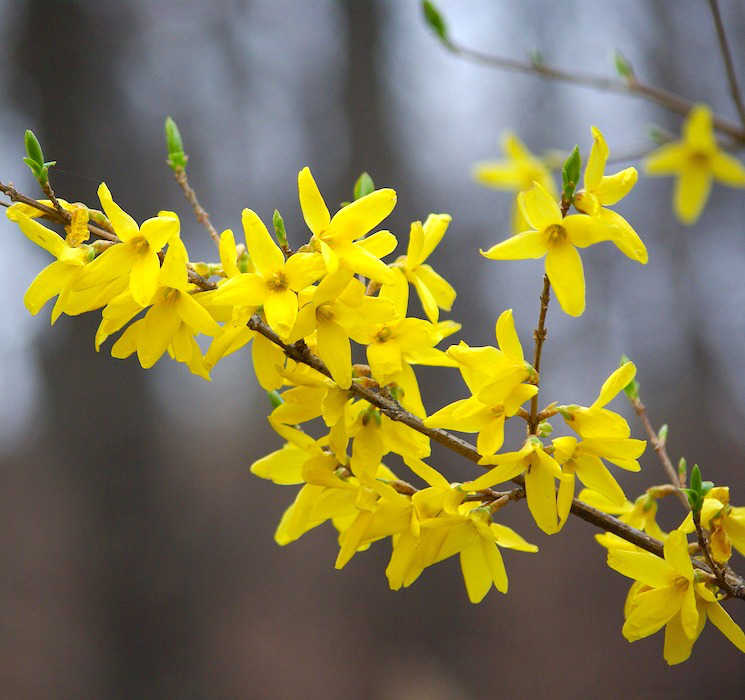
The German Weather Service (Deutscher Wetterdienst – DWD) uses the flowering of forsythia and the beginning of leaf development of gooseberry as indicators for mid spring. In the next weeks, fruit trees open their flowers (cherry, pear) and beech and birch start growing their leaves. To monitor mid spring, we’d love for you to capture the following species by ID’ing them with the Flora Incognita app! Please make sure that your GPS is shared so that we can record your plants’ locations. Thank you!

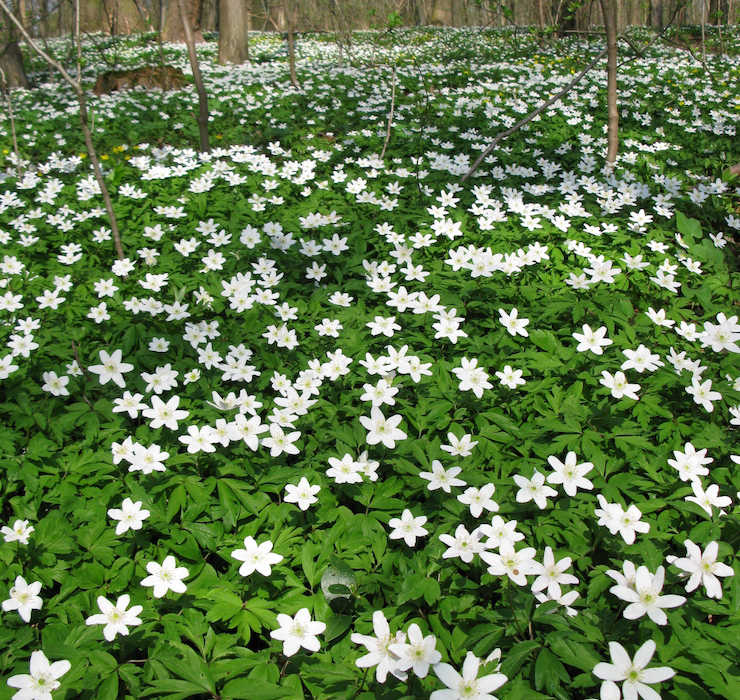
Wood Anemone – Anemone nemorosa
The wood anemone often grows in large numbers in beech or mixed forests. Even if its flowers attract the first insects, the wood anemone mainly disperses vegetatively – its 30-centimetre-long, creeping rhizome lies about 1 cm below the surface of the soil. Be careful: All plant parts are poisonous!

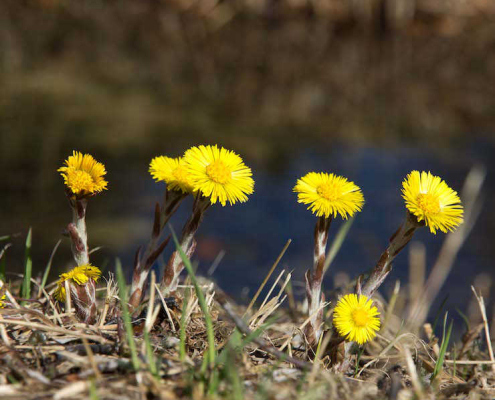
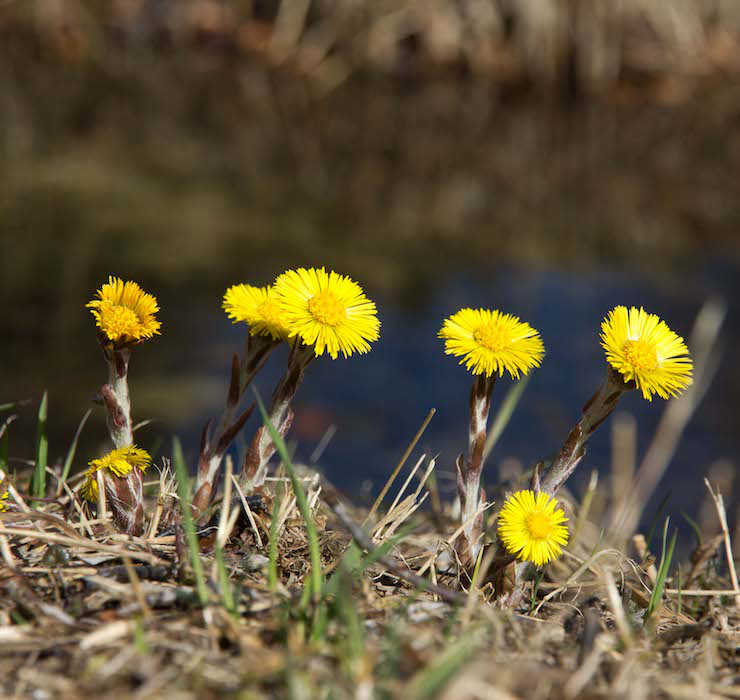
Coltsfoot – Tussilago farfara
The coltsfoot forms a yellow inflorescence in early spring. Only after they have withered, the large kidney-shaped leaves begin to appear. While still blooming, the small brownish scaly leaves can be photographed as leaves for the app. It may not seem like a special plant, but their flowers are an important marker in terms of phenological monitoring.

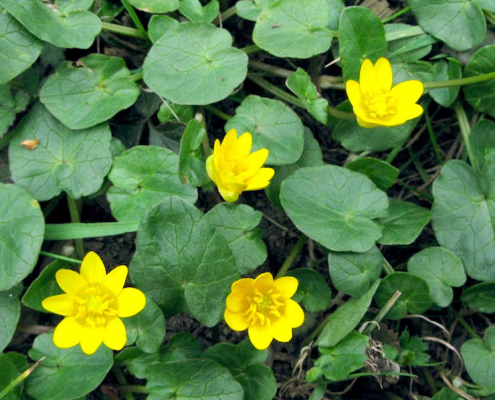
Lesser Celandine – Ficaria verna
Lesser celandine or pilewort appears in early spring in various places. Some individuals show brown drawings on their leaves. The blooming period stretches over a long time, in most years until May. What we’re interested in is where and when the first flowers of lesser celandine appear, so look out for it, please!”

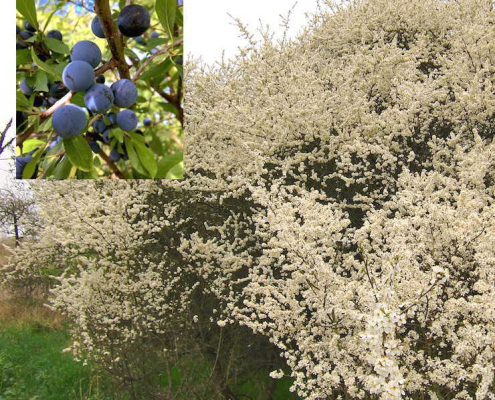
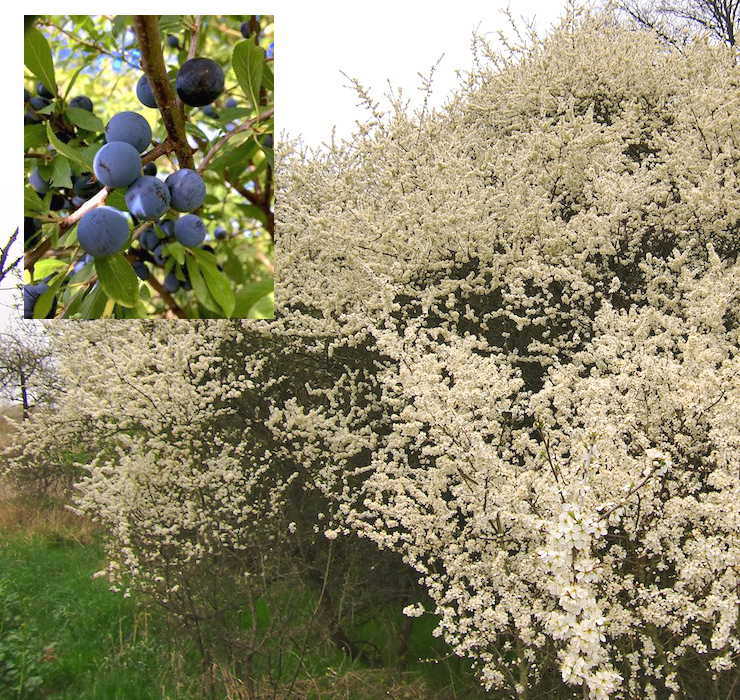
Blackthorn – Prunus spinosa
Blackthorn is also often called sloe. Its pure white flowers can be found on forest edges or shrubberies, where the medium-sized bush with its long thorns creates an ideal hiding space for birds. The blue berries ripen late in the year and are usually harvested after the first frost because the cold reduces the bitterness of the fruits. We‘d like to record the phenology of the blackthorn flowering stage and be happy if you contributed.
Even in cities, early bloomers get off to a fast start: warm street pavements ensure that there is already something to discover in many places! Here are a few examples:

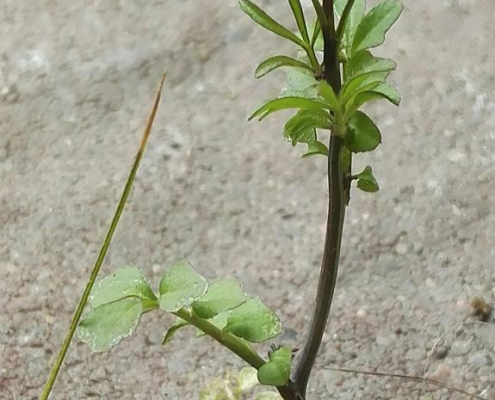
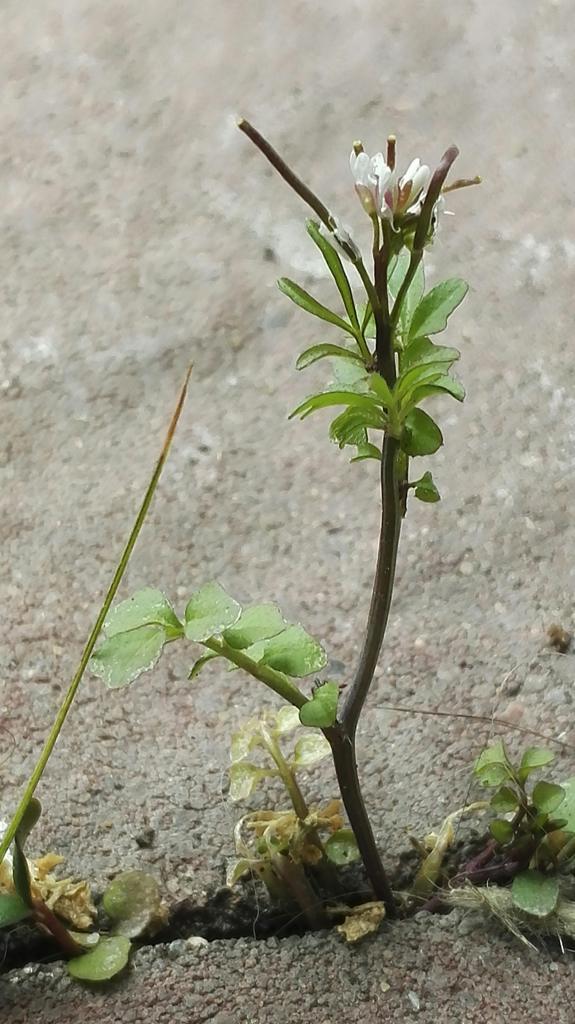
  • Hairy bittercress (Cardamine hirsuta) – Adapted to disturbed soils, it fruits within a few weeks and then catapults its seeds up to 1.4 metres!
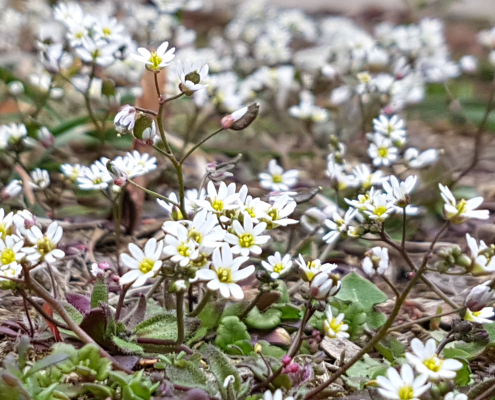
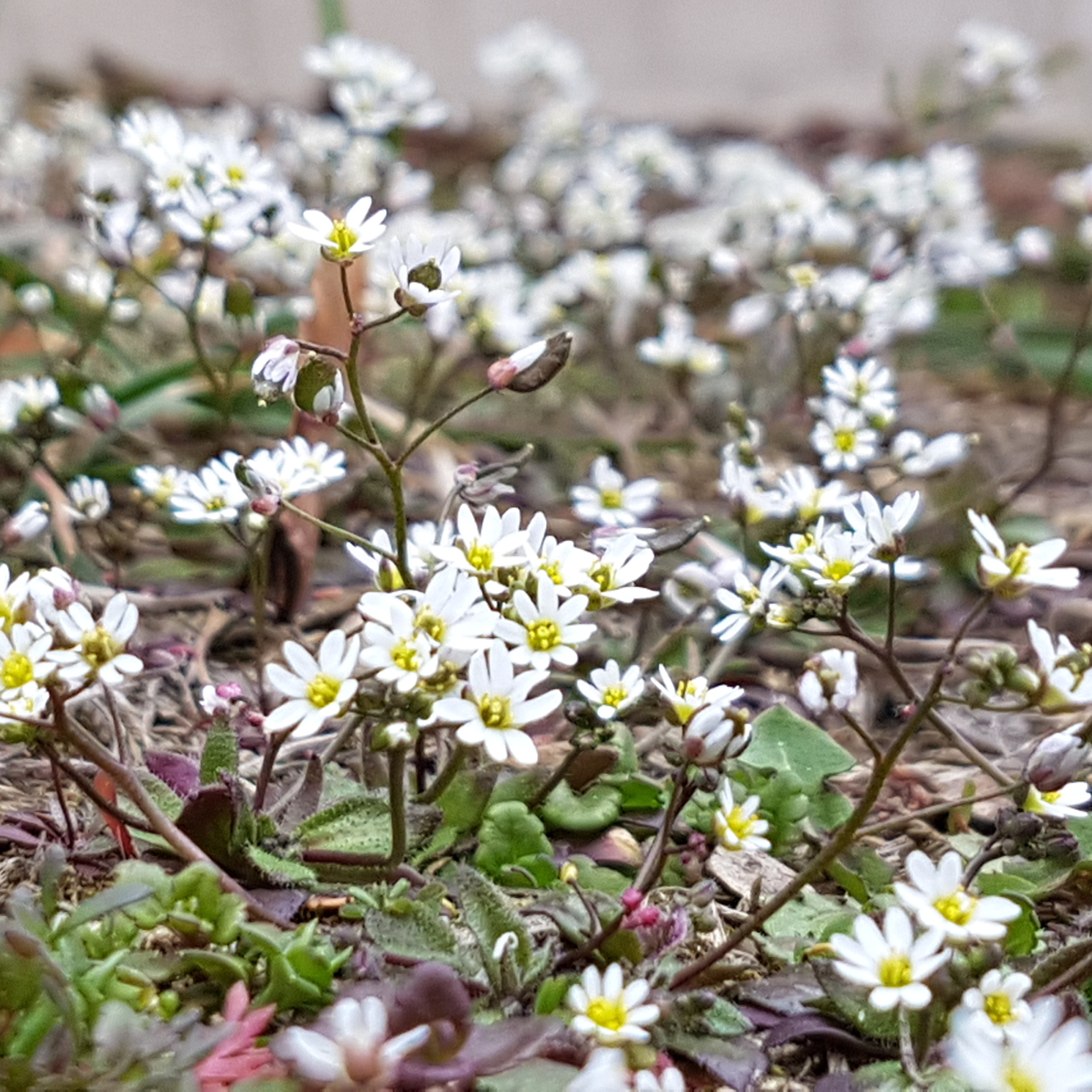
  • Draba verna, the spring draba, is a short-lived, few centimetres tall tiny plant among Central European flowering plants. It loves light, lean, dry sites and often mass populates pavement cracks in spring.
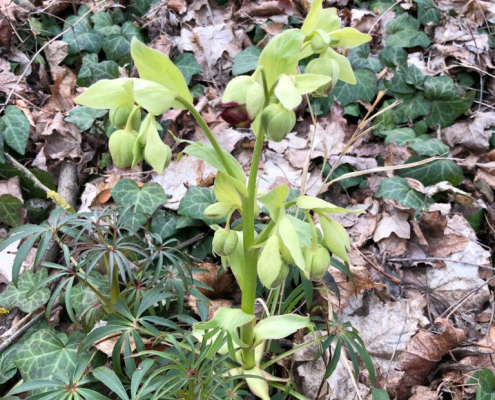
  • The stinking hellebore (Helleborus foetidus) is named after the unpleasant smell of its leaves. An exciting fact: yeast cultures in the nectar ensure that the temperature in the flower can be up to 6 °C above that of the surrounding area!
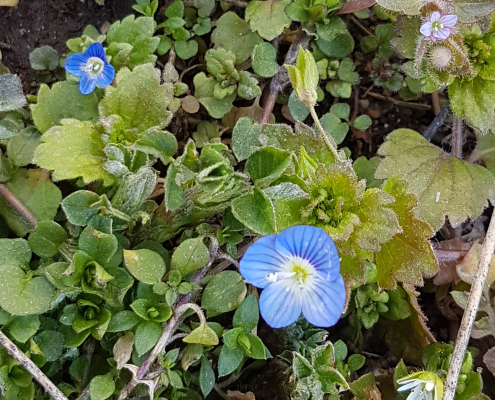
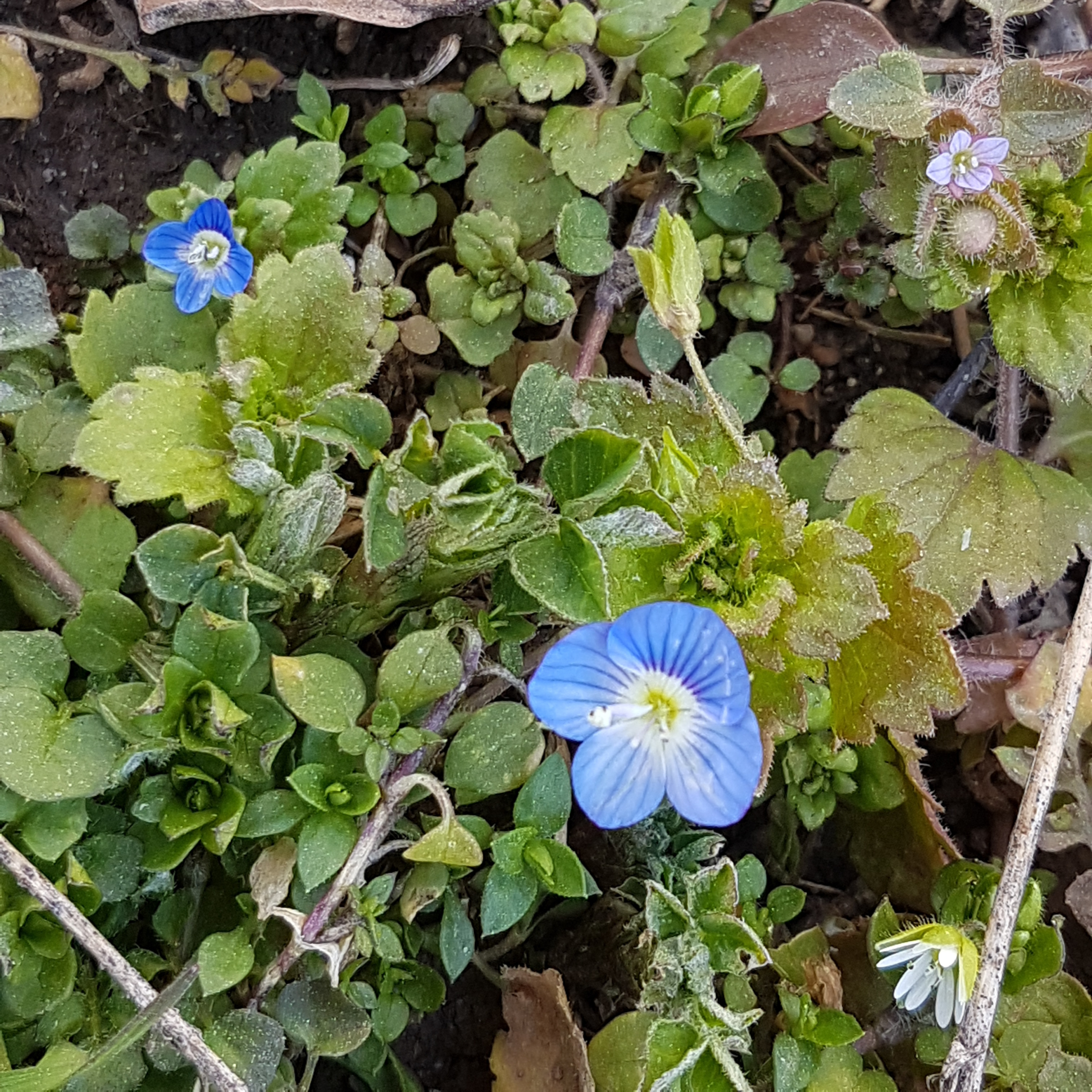
  • The genus speedwell (Veronica) comprises about 450 species, of which about 50 occur in Germany. The species of the genus are usually quite small, have blue flowers and many of them bloom very early in the year.
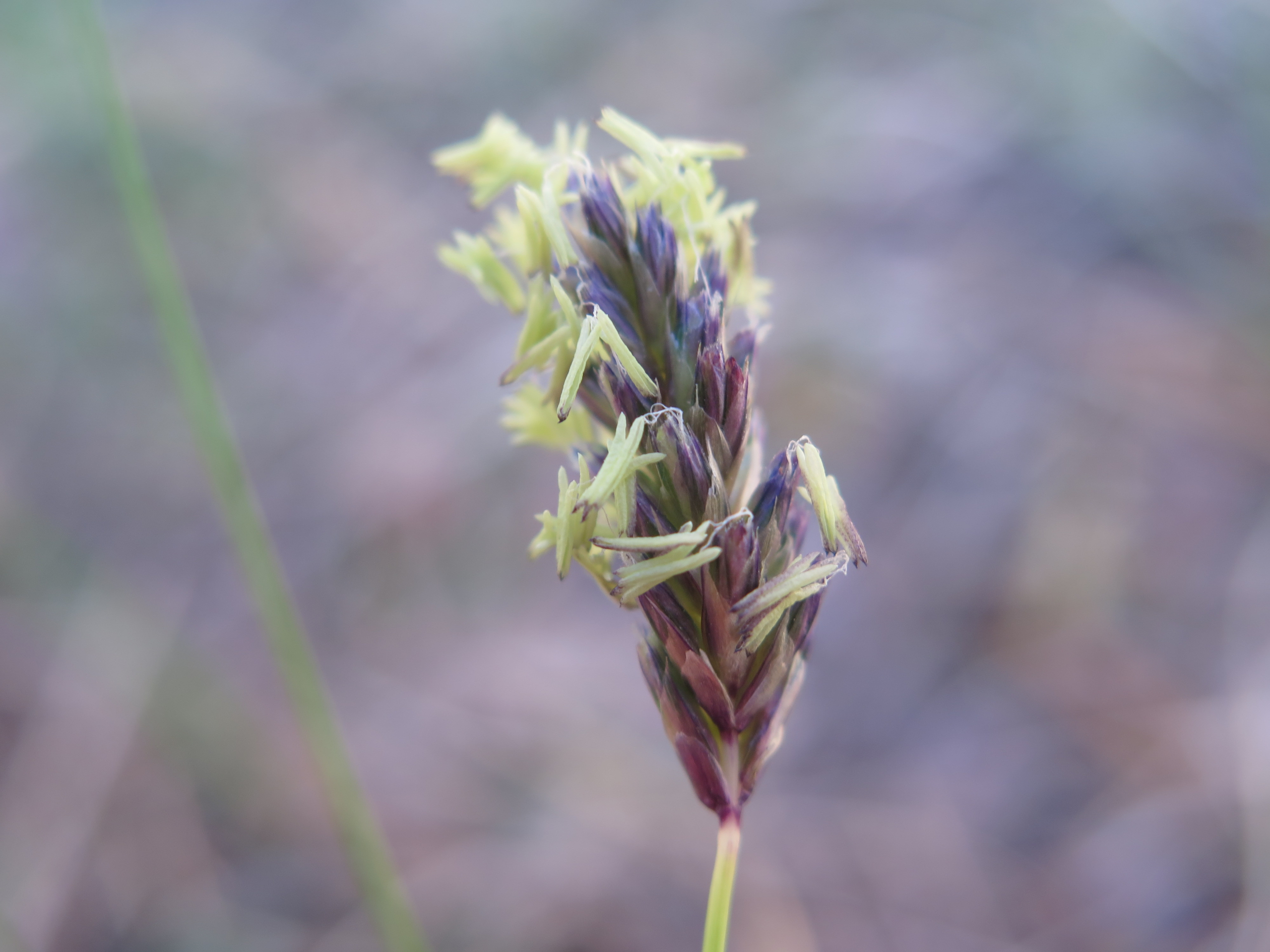
  • There are also early bloomers among the grasses. Sesleria varia is widespread throughout Germany. However, it only grows on calcareous soils such as stony, dry grasslands. It flowers from March to May.
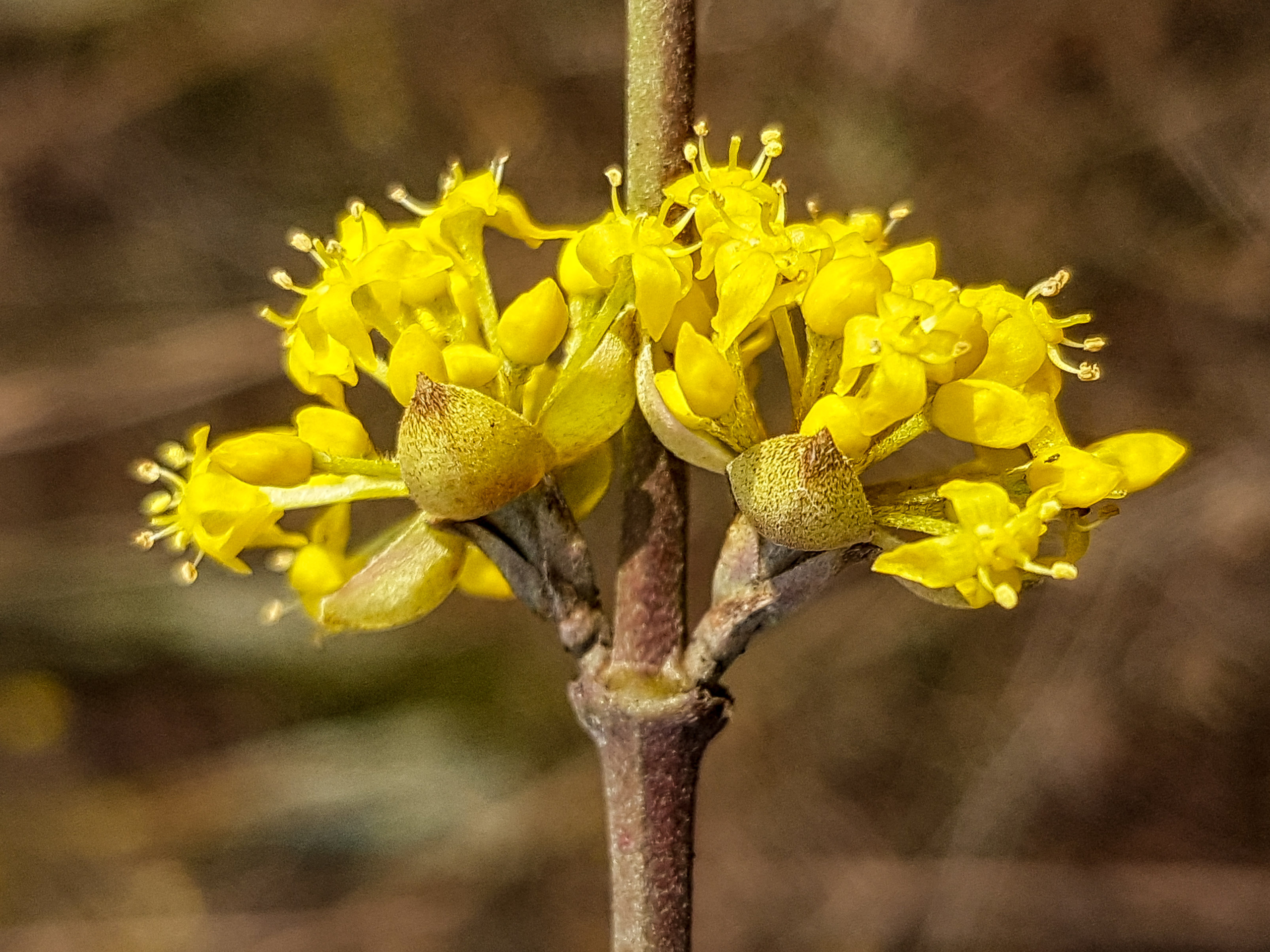
  • Cornelian cherry (Cornus mas) blossoms in March/April, even earlier in mild areas. The flowers, rich in nectar and pollen, are the first food for honey bees and wild bees, in addition to the willow. In autumn, their fruits are very popular with songbirds.
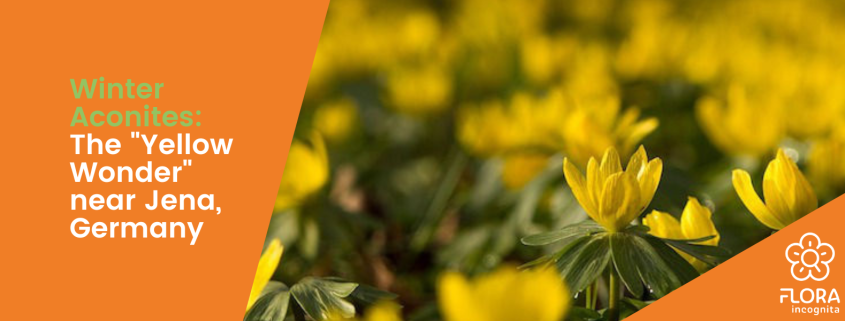
Winter aconites in the Rautal valley near Jena

The Rautal – yellow wonderland
The Rautal valley near Jena is known far beyond the borders of Thuringia for its unique mass occurrence of the winter aconite in Central Europe. The yellow carpet of blossoms spreads over almost five hectares and grows larger every year. As soon as the first strong rays of sunshine warm the ground and the days become longer again, the small flowers germinate and cover the otherwise still bare forest floor with their intense shade of yellow. The winter aconite was probably brought to the Rautal as a root bulb together with vines from Southern Europe. It was first mentioned there in 1803.

Accompanying heralds of spring
The hardwood forest, which is home to the mass occurrence of the winter aconite, has been a protected landscape since 1965 and covers an area of 4.3 hectares. In addition to the winter aconites, more than 120 different vascular plants occur in this area, signifying a high species richness for a forest. Among the estimated 1.6 million winter aconites, there are also individual occurrences of liverworts, lungworts or mullein in spring.

Explore the trail of winter aconites
To see the “yellow wonder”, many people make their way to the Rautal valley on sunny spring weekends. For this reason, a hiking trail leading to the winter aconite has been established. It leads through mainly beech forest, past outcrops of rock and, with only a slight incline, leads to the best views of the sea of yellow. However, good footwear is recommended as the path can often be muddy. The trail starts at the road between Jena and the village of Closewitz and can be extended as far as desired through the adjacent “Windknollen” nature reserve.

Documenting plant diversity with Flora Incognita
Did you know? The flowering of the winter aconite is a good indicator for monitoring the phenological seasons throughout Germany. If you have shared your location with Flora Incognita and identify a winter aconite (or other early bloomers), you are making an important contribution to the preservation of plant diversity!

This article was displayed as a story in the Flora Incognita app in winter 2022/23. In the app you can always find exciting information about plants, ecology, species knowledge, as well as tips and tricks for plant identification. Check it out!


What is the earliest flower to bloom?

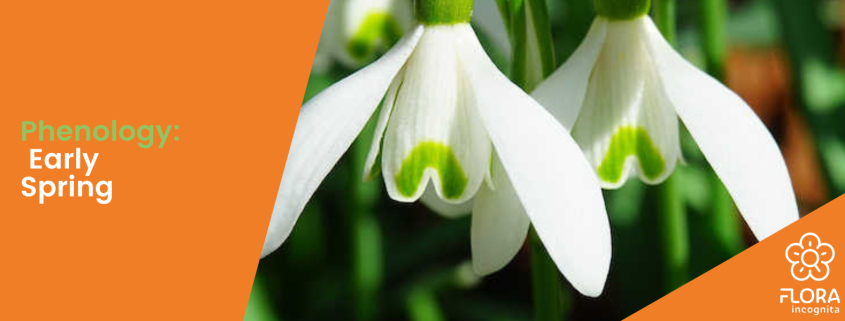
The phenological early spring officially begins with the flowering of hazel and snowdrops. Exactly when the first species begin to flower varies greatly over the years, and it also depends on the location. High up in the mountains it is far colder than in the lowlands. There have been observations as early as December, but in some places as late as mid-February. In any case, the use of Flora Incognita is recommended right from the start of flowering: with every plant identification you contribute to the monitoring of biodiversity! (But only if you have shared your location) – So it is worthwhile to continue photographing early bloomers every year, even if you already know the species. Read more

How do plants survive the winter?

How do plants survive the winter?

Plant cells consist largely of water – if this freezes, it expands. This would damage the cells and, in the worst case, kill the plant. So how do plants protect themselves from freezing to death?

Botanical winter dormancy
The falling leaves of the pedunculate oak, the late-ripening apple and the falling needles of the European larch mark the beginning of the phenological winter. There are warmer days in the Central European climate even in winter, but the plants native here still remain in winter dormancy. The reason for this is the breakdown of certain phytohormones (e.g. abscisic acid), which regulate when seeds and buds (re)sprout after the cold period.


Hibernation as seeds
Annual herbaceous plants die in autumn and only ensure their survival through seeds. These consist of a seed coat, a nutritive tissue and the embryo. Humans use plant seeds as a valuable part of their diet – beans, peas and lentils are rich in protein; wheat and oats provide starch. Some seeds, on the other hand, are high in fat, such as oilseed rape, flax or pumpkin. Their hard shell and low water content protect them from freezing. The duration of dormancy varies greatly among individual plant species, as do the factors that lead to its breakdown. Possible influencing factors are: Humidity, temperature, light conditions and the nutrient content of the soil.


Above-ground withering
Perennials are herbaceous, perennial plants that can survive many winters. Their survival strategy is to store energy-rich nutrients (mostly starch) in roots, bulbs, tubers or the rhizome. New buds and shoots develop from the so-called meristem – a tissue consisting of undifferentiated cells that continuously divide and thus release new cells into the plant body. In winter, these tissue parts often rest as „sleeping eyes“ (botanically: provenance bud) just below the soil surface.


Retreating back into the wood
When deciduous trees show their typical autumn colours, this is a sign that no more new chlorophyll is being produced in the leaves – the constant process of decay is now visibly taking place. Over several days to weeks, the chlorophyll is transferred to the trunk along with other energy-rich particles. The vacuoles therein divide themselves and become enriched with sugar, but also with proteins and other dissolved substances such as potassium, magnesium and phosphorus. Other cell parts – the amyloplasts, become starch reservoirs, which are eventually used up by the time the leaves emerge.


Natural antifreeze
Evergreen plants do not die above ground and keep their leaves. Ice-covered blades of grass don’t break if you step on them – what strategy protects them from freezing? Water freezes at 0° – but not necessarily! Seawater remains liquid because salt, as an osmotically active substance, lowers the freezing point. In plant cells, various sugars, alcohol compounds and also potassium are found as effective antifreeze agents. The more of these molecules are dissolved in the cell water, the stronger the effect of lowering the freezing point.


Cold protection through growth forms
The growth form of the plant also plays a role in frost protection: especially in the high mountains, one encounters dense plant cushions in which the branches stand very closely together. This protects the inner leaves and buds like a blanket from the damaging effects of frost. Plants have found many ways to defy the icy months. But it is also exciting to look further afield! Some plant survival strategies are useful on completely different levels: A study from England for example, found that a dense growth of ivy (Hedera helix) can significantly reduce the number, duration and severity of frost damage to historic walls!

This article was displayed as a story in the Flora Incognita app in winter 2022/23. In the app you can always find exciting information about plants, ecology, species knowledge, as well as tips and tricks for plant identification. Check it out!